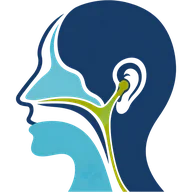
Dr. Sajid Iqbal provides ENT assessment for sinusitis and related nasal conditions in Lahore. Treatment depends on the cause and severity of symptoms and may include medication or Functional Endoscopic Sinus Surgery (FESS) for suitable patients. FESS improves sinus drainage by opening blocked sinus pathways through the nostrils.
Discuss your sinus symptoms with an ENT specialist in Lahore to understand the next steps for diagnosis and treatment.
Functional Endoscopic Sinus Surgery (FESS) is a minimally invasive procedure used to treat selected sinus conditions, particularly chronic rhinosinusitis that has not improved sufficiently with appropriate medical management. An ENT surgeon passes a thin endoscope through the nostrils to view the nasal passages and affected sinuses, then uses specialised instruments to open blocked drainage pathways or remove obstructing tissue where necessary.
FESS does not require an external facial incision in routine cases. The extent of surgery depends on the affected sinuses, examination findings and CT imaging. Surgery aims to improve drainage and symptoms; it does not guarantee that sinusitis or nasal polyps will never return.

Chronic rhinosinusitis involves persistent inflammation of the nose and sinuses, generally lasting 12 weeks or longer. Symptoms can affect breathing, sleep and sense of smell.
Common symptoms include:
Possible contributing factors include nasal allergies, nasal polyps, anatomical narrowing, ongoing inflammation and certain infections. Symptoms alone cannot confirm the cause, and facial pain or headache may also result from conditions unrelated to sinusitis.
FESS surgery may be considered when chronic sinusitis continues to cause significant symptoms despite appropriate treatment, or when specific findings such as nasal polyps or certain forms of sinus disease make surgery a suitable option.
An ENT specialist assesses the diagnosis, symptom severity, previous treatments, nasal examination and relevant imaging before discussing surgery. A CT scan is generally used for surgical planning when endoscopic sinus surgery is being considered.
Not every patient with sinusitis needs an operation. The decision should reflect the likely benefits, alternative treatments, potential risks and the patient’s expectations.
Treatment for sinusitis depends on its cause, duration and severity. Options may include:
Saline rinses can help clear mucus and irritants from the nasal passages. Use an appropriate prepared solution and safe water according to medical instructions.
These may reduce inflammation and are commonly used for chronic sinusitis, particularly when nasal polyps or allergies contribute to symptoms.
These are appropriate for selected bacterial infections when clinically indicated. They are not routinely required for every episode of sinus symptoms or chronic sinusitis.
When allergic rhinitis contributes to nasal inflammation, avoiding relevant triggers and using prescribed allergy treatments may improve symptom control.
Nasal polyps, structural nasal problems and dental sources of sinus inflammation may require specific assessment and management.
FESS is usually performed under general anaesthesia. The precise steps vary according to the location and extent of the disease.
The operation’s duration, hospital stay and discharge arrangements depend on surgical complexity, the patient’s health and local hospital protocols.
For appropriately selected patients, endoscopic sinus surgery can improve sinus drainage and may reduce nasal blockage, discharge, facial pressure and other symptoms related to chronic sinus disease.
Potential benefits include:
Results vary with the underlying condition. FESS does not cure every cause of nasal symptoms, and patients with chronic inflammation or nasal polyps may still need medication and follow-up care after surgery.
Nasal blockage, mild bleeding, and pressure may occur. Rest, keep your head elevated, and follow prescribed nasal-care instructions.
Congestion may gradually ease, although crusting and discharge can continue. Avoid strenuous activity and follow your surgeon’s advice.
Follow-up visits help monitor healing and remove crusts if needed. Return to work and normal activities according to your recovery.
Internal healing continues, and breathing may improve progressively. Continue prescribed treatment and attend follow-ups, as recovery varies between patients.
FESS is commonly performed by ENT surgeons, but it is still surgery and carries risks. These may include bleeding, infection, discomfort, temporary congestion, scar tissue formation and recurrence of sinus symptoms or polyps.
Because the sinuses lie close to the eyes and the base of the skull, rare but serious complications can include injury to the eye or surrounding structures, changes in vision, or leakage of cerebrospinal fluid. The individual risk depends on the disease, anatomy and extent of surgery.
Before proceeding, patients should discuss the expected benefits, alternatives, relevant risks, and post-operative requirements with their surgeon.
The cost of sinus surgery varies according to the extent of sinus blockage, the number of sinuses requiring treatment and the hospital facilities involved. The following estimates provide a starting point; the final fee is determined after an ENT assessment and CT scan review.
Estimated Cost
For selected cases where surgery is limited to one sinus or a smaller treatment area.
Estimated Cost
For cases requiring surgical treatment across multiple sinuses, depending on individual findings.
Estimated Cost
For more complex cases that may require a broader surgical approach and additional post-operative care.
Arrange a consultation with Dr. Sajid Iqbal in Lahore to understand which procedure may be suitable for your condition and obtain a cost estimate based on your treatment needs.
* Prices are provisional estimates and must be confirmed with the clinic before publication. The final cost and included services may vary by case.
Dr. Sajid Iqbal is a consultant ENT specialist with MBBS and MS-ENT qualifications and more than 20 years of experience, according to his current professional profile. He assesses ear, nose, and throat conditions, including sinus and nasal problems.
For patients experiencing persistent sinus symptoms, a consultation can help clarify the likely cause, review previous treatment, and determine whether medical management, further investigation, or surgical assessment is appropriate.
Ready to get it sorted? Book a consultation with Dr. Sajid Iqbal at Horizon Hospital, Johar Town, Lahore — call 0321 4496160 or WhatsApp.
FESS is usually performed under general anaesthesia, so the patient does not feel the operation itself. Congestion, pressure and discomfort may occur afterwards and are managed according to the surgeon’s instructions.
FESS can improve drainage and symptoms in suitable patients, but it does not guarantee a permanent cure. Chronic inflammation, allergies and nasal polyps may persist or recur, so ongoing treatment may be necessary.
Initial recovery commonly takes around one to two weeks, but complete healing can take several weeks or longer depending on the extent of surgery. Your surgeon will advise when you can return to work, exercise, and other activities.
CT imaging is generally required for planning endoscopic sinus surgery because it helps the surgeon assess sinus anatomy and disease extent. Whether you need a scan before your first consultation depends on your clinical assessment and existing investigations.
FESS and septoplasty may be performed during the same operation when both procedures are clinically indicated. The decision depends on nasal anatomy, symptoms, and the surgeon’s assessment.
Yes. FESS can remove existing polyps and improve sinus access, but the underlying inflammation may continue. Follow-up care and prescribed medication may be needed to manage recurrence.
Potential risks include bleeding, infection, scar tissue and recurrence. Rare serious complications can involve the eye or the base of the skull. Discuss your individual risk profile and the alternatives with your ENT surgeon.
Arrange an assessment if symptoms persist, repeatedly return, affect daily life or do not improve with appropriate treatment. Seek urgent medical care for eye swelling, vision changes, severe headache with neck stiffness or other signs of a potentially serious complication.
Same-week appointments at Horizon Hospital, Johar Town, Lahore.
Timings: Mon – Sun 24/7
Consultation Fee: PKR 4000
Dr. Sajid Iqbal, MBBS, MS-ENT, is a consultant ENT surgeon with 20+ years of experience treating patients in Lahore. Read his profile →
Clinic in Johar Town, Lahore, Mon – Sun 24/7