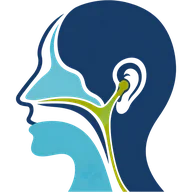
A deviated nasal septum occurs when the thin wall of bone and cartilage separating the left and right nasal passages is crooked or off-centre. This can narrow one or both nasal passages and affect airflow. The condition may be present from birth or develop after a nose injury. Not everyone with a deviated septum experiences symptoms or requires treatment.

A deviated septum may cause no symptoms, but when it restricts airflow, it can lead to nasal blockage and breathing difficulties. Symptoms vary depending on the degree of deviation and whether other nasal conditions are present.
If nasal blockage persists despite appropriate treatment, or you experience frequent nosebleeds, arrange an assessment with an appropriate healthcare professional.
A deviated nasal septum can develop during early growth or result from an injury to the nose. Common causes include:
Nasal allergies and inflammation do not usually cause the septum itself to become crooked, but they can worsen blockage and breathing difficulties in someone who already has a deviation.

Septoplasty is a surgical procedure to straighten a deviated nasal septum and improve airflow when the deviation causes significant symptoms.
The surgeon reviews your symptoms, medical history, current medicines and nasal examination findings. You’ll also discuss the expected benefits, potential risks and recovery requirements.
Septoplasty is performed under local or general anaesthesia, depending on the clinical circumstances. Through an incision usually made inside the nose, the surgeon repositions or reshapes the deviated cartilage and bone while preserving adequate nasal support.
Dissolvable stitches may be used to close the incision. Internal splints or nasal packing may also be placed when necessary to support healing; these are not required in every case.
Many patients go home the same day after observation. Your surgeon will provide instructions for nasal care, medicines, activity restrictions and follow-up appointments based on your recovery.
A diagnosis begins with a review of your symptoms, medical history and any previous nasal injuries or surgeries. An ENT specialist examines the nose to assess the septum and look for other possible causes of obstruction.
The purpose of diagnosis is to determine whether the septal deviation is actually contributing to your symptoms and whether correcting it is likely to provide a meaningful benefit.
Not every deviated septum requires treatment. If the deviation causes no significant symptoms, surgery may not be necessary. When allergies contribute to nasal swelling and congestion, appropriate treatment for allergic rhinitis in Lahore may help relieve these symptoms. However, allergy treatment does not straighten a deviated septum. .
These treatments can reduce swelling and improve airflow when inflamed tissues contribute to the obstruction. However, medicines do not physically straighten a deviated nasal septum.
If the septal deviation continues to cause troublesome obstruction despite appropriate treatment of other contributing conditions, septoplasty may be considered. The decision depends on your symptoms, examination findings, medical history and individual treatment goals.
Nasal congestion, swelling, mild bleeding or discharge may occur. Rest, keep your head elevated if advised, and follow your surgical team’s instructions.
Internal swelling and congestion may continue. Attend follow-up appointments and follow your surgeon’s advice about splint removal, nose blowing and nasal care.
Return to work or school according to your comfort and healing progress. Avoid heavy lifting, strenuous exercise and activities that could injure your nose for the period specified by your surgeon.
Nasal breathing may improve gradually as swelling settles, although complete healing takes longer. Use saline sprays or rinses only as instructed, follow prescribed treatment and attend follow-up appointments.
Choosing an appropriate clinician involves more than selecting a procedure by name. The assessment should establish the cause of nasal obstruction, consider alternative explanations and determine whether surgery is likely to address your symptoms.
Before proceeding, patients should understand the surgeon’s relevant qualifications, experience with the planned procedure, the hospital or facility arrangements, the expected benefits and the follow-up plan.
Septoplasty is a functional surgical procedure that straightens a crooked or deviated nasal septum. By improving airflow through the nasal passages, it may reduce nasal blockage and improve breathing. Depending on the underlying cause of symptoms, some patients may also experience improvements in sleep quality and nasal comfort.
Improves airflow through the nasal passages, potentially making everyday activities and exercise more comfortable.
May improve nasal airflow, although it does not guarantee fewer sinus infections or resolve every cause of sinusitis.
Reducing nasal obstruction may ease mouth breathing and snoring in some patients, but septoplasty does not guarantee treatment of obstructive sleep apnoea.
Some patients may need fewer medications for nasal obstruction after surgery, depending on whether allergies or other conditions are also present.
Septoplasty may reduce nosebleeds in selected cases when septal deviation contributes to irritation or dryness of the nasal lining.
The cost of septoplasty in Lahore depends on the complexity of the procedure, surgeon’s fee, anaesthesia, hospital charges and required investigations. Additional nasal procedures may increase the total cost.
For an accurate estimate, contact the clinic to discuss your treatment plan and confirm which services are included in the quoted fee.
If you have persistent nasal blockage or suspect a deviated septum, arrange an assessment with Dr. Sajid Iqbal, ENT Specialist, to discuss your symptoms and treatment options.
During the consultation, ask whether the septal deviation is likely causing your symptoms, whether other nasal conditions need treatment, and what improvement you can reasonably expect from surgery.
Ready to get it sorted? Book a consultation with Dr. Sajid Iqbal at Horizon Hospital, Johar Town, Lahore — call 0321 4496160 or WhatsApp.
Septoplasty is an operation to straighten or reposition the cartilage and bone forming the nasal septum. It is considered when septal deviation contributes to significant nasal obstruction or other relevant symptoms.
Medicines may reduce nasal swelling caused by allergies or inflammation, but they do not physically straighten the septum. If symptoms remain troublesome and are attributable to septal deviation, a clinician may discuss septoplasty.
No. Septoplasty primarily corrects the internal nasal septum to improve airflow. Rhinoplasty changes the external nasal structure for cosmetic and/or functional reasons. The procedures can be combined when clinically appropriate.
Standard septoplasty is intended to correct the internal septum and usually does not aim to change the external appearance. However, changes in nasal support or shape are possible complications and should be discussed before surgery.
Initial recovery often takes around one to two weeks, but internal swelling and healing may continue for several weeks or months. The timing of return to work, exercise and other activities depends on the individual case and the surgeon’s instructions.
Discomfort, pressure and nasal congestion can occur after surgery. The degree varies between patients, and the treating team can advise on appropriate pain relief and expected symptoms during recovery.
Potential risks include bleeding, infection, persistent obstruction, septal perforation, changes in nasal shape, altered smell and complications related to anaesthesia. Your surgeon can explain the risks relevant to your medical history and planned procedure.
It may help when nasal obstruction contributes to snoring, but snoring has several possible causes. Septoplasty does not guarantee that snoring or obstructive sleep apnoea will resolve.
The cost depends on the surgical plan, surgeon’s fee, facility charges, anaesthesia and other included services. Request an itemised estimate from the clinic after assessment rather than relying on a general online price.
An ENT assessment is needed to establish whether a deviated septum is causing your symptoms and whether other conditions contribute to the obstruction. Surgery is considered according to symptom severity, examination findings and the expected benefits and risks.
Same-week appointments at Horizon Hospital, Johar Town, Lahore.
Timings: Mon – Sun 24/7
Consultation Fee: PKR 4000
Dr. Sajid Iqbal, MBBS, MS-ENT, is a consultant ENT surgeon with 20+ years of experience treating patients in Lahore. Read his profile →
Clinic in Johar Town, Lahore, Mon – Sun 24/7